

Las cookies nos permiten ofrecer nuestros servicios. Al utilizar nuestros servicios, aceptas el uso que hacemos de las cookies.


Escrito por Sofia Herari
Expresiones Lingüísticas y Slang: Lo que los hablantes nativos realmente dicen vs la gramática de libro
Cuando empiezas a aprender inglés, a menudo escuchas frases perfectas y limpias. Eso es genial para exámenes y practicar gramática, pero cuando ves una serie en Netflix, escuchas música o viajas al extranjero, los hablantes nativos suenan muy diferente. ¿Por qué? ¡Porque usan expresiones lingüísticas y slang todo el tiempo!
Veamos algunos ejemplos para que puedas entender la diferencia y empezar a sonar más natural.
Inglés de libro vs Inglés real
1. Saludos
Libro: “Hello, how are you?”
Vida real: “Hey, what’s up?” / “How’s it going?”
2. Expresando sorpresa
Libro: “I don’t believe it.”
Vida real: “No way!” / “You’re kidding me!”
3. Hablando de cansancio
Libro: “I am very tired.”
Vida real: “I’m beat.” / “I’m wiped out.”
4. Estar de acuerdo con alguien
Libro: “Yes, I agree with you.”
Vida real: “Totally!” / “For sure.” / “Exactly!”
5. Finalizar una conversación
Libro: “Goodbye. See you later.”
Vida real: “Catch you later.” / “See ya.” / “Later!”
Expresiones lingüísticas comunes que escucharás
Las expresiones lingüísticas son frases cuyo significado no se puede adivinar solo por las palabras. Aquí tienes algunas populares — con equivalentes en español para ayudarte a recordarlas:
Break the ice → romper el hielo → empezar una conversación de forma amistosa
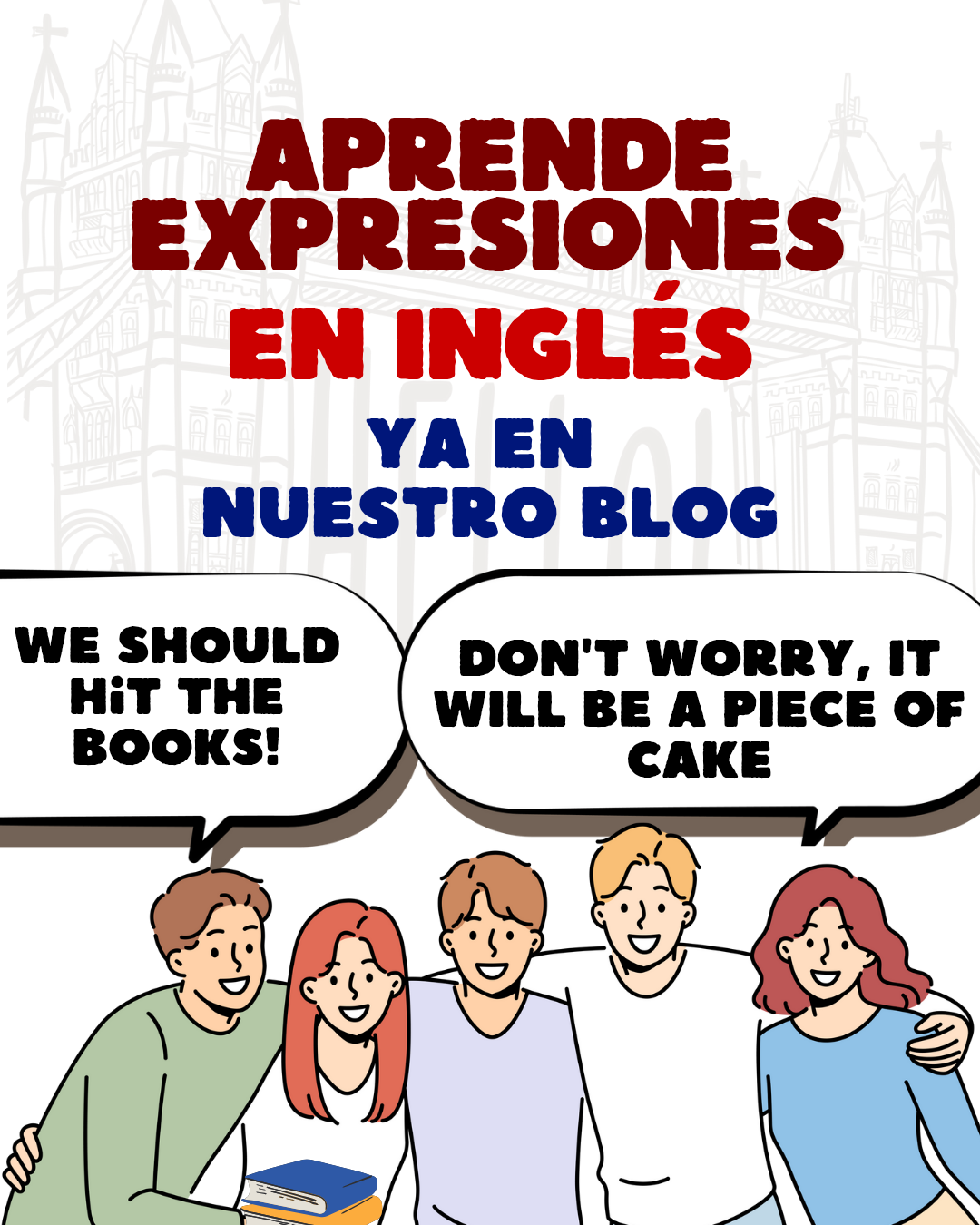
Hit the books → ponerse a estudiar en serio → estudiar mucho
Piece of cake → pan comido → algo muy fácil
Spill the beans → contar un secreto → revelar un secreto
Under the weather → estar pachucho → sentirse enfermo
Bite the bullet → hacer de tripas corazón → hacer algo difícil o desagradable que has estado evitando
Hit the sack → irse a la cama → acostarse
Once in a blue moon → de Pascuas a Ramos → algo que ocurre muy raramente
The ball is in your court → te toca a ti → ahora la decisión o responsabilidad es tuya
To kill two birds with one stone → matar dos pájaros de un tiro → resolver dos problemas al mismo tiempo
Pull someone’s leg → tomar el pelo → gastar una broma a alguien
Break a leg → ¡mucha mierda! → buena suerte (especialmente en teatro o antes de una actuación)
Hit the road → ponerse en camino → irse o empezar un viaje
¿Por qué es importante?
En los exámenes, normalmente necesitas usar inglés estándar. En la vida real, las personas usan expresiones lingüísticas y slang todo el tiempo. Si sabes ambos, puedes aprobar tu examen y sonar natural al hablar.
Consejo: Mira series con subtítulos, escucha podcasts o anota nuevas expresiones que escuches. Luego, ¡pruébalas en clase! A tus profesores les encantará.
Aprender expresiones lingüísticas y slang hace que el inglés sea divertido y más real. Es la diferencia entre sonar como un libro de texto y sonar como un hablante nativo. Imagina estar en Londres o Nueva York: pocas personas dirán “I am very tired,” pero definitivamente escucharás “I’m beat” después de un día largo.
La buena noticia es que no necesitas aprender cientos de expresiones de golpe. Empieza poco a poco: elige 2 o 3 expresiones nuevas cada semana, escríbelas en tu cuaderno y úsalas cuando hables en clase. Cuanto más practiques, más naturales se sentirán.
English version
Slang & Linguistic Expressions: What Native Speakers Actually Say vs Textbook Grammar
When you start learning English, you often hear perfect, clean sentences. That’s great for exams and grammar practice, but when you watch a Netflix series, listen to music, or travel abroad, native speakers sound very different. Why? Because they use slang and linguistic expressions all the time!
Let’s look at some examples so you can understand the difference — and start sounding more natural yourself.
Textbook English vs Real Life English
1. Greetings
Textbook: “Hello, how are you?”
Real life: “Hey, what’s up?” / “How’s it going?”
2. Expressing surprise
Textbook: “I don’t believe it.”
Real life: “No way!” / “You’re kidding me!”
3. Talking about being tired
Textbook: “I am very tired.”
Real life: “I’m beat.” / “I’m wiped out.”
4. Agreeing with someone
Textbook: “Yes, I agree with you.”
Real life: “Totally!” / “For sure.” / “Exactly!”
5. Ending a conversation
Textbook: “Goodbye. See you later.”
Real life: “Catch you later.” / “See ya.” / “Later!”
Common Linguistic Expressions You’ll Hear
Linguistic expressions are phrases whose meaning you can’t guess just from the words. Here are some popular ones — with Spanish equivalents to help you remember:
Break the ice → to start a conversation in a friendly way (romper el hielo)
Hit the books → to study hard (ponerse a estudiar en serio)
Piece of cake → something very easy (pan comido)
Spill the beans → reveal a secret (contar un secreto)
Under the weather → feeling sick (estar pachucho)
Bite the bullet → do something difficult or unpleasant that you’ve been avoiding (hacer de tripas corazón)
Hit the sack → go to bed (irse a la cama)
Once in a blue moon → something that happens very rarely (de Pascuas a Ramos)
The ball is in your court → it’s your decision or responsibility now (te toca a ti)
To kill two birds with one stone → solve two problems at the same time (matar dos pájaros de un tiro)
Pull someone’s leg → joke with someone (tomar el pelo)
Break a leg → good luck (especially in theatre or before a performance) (¡mucha mierda! in theatre Spanish)
Hit the road → leave, start a journey (ponerse en camino)
Why Is This Important?
In exams, you usually need to use standard English. In real life, people use linguistic expressions and slang all the time. If you know both, you can pass your exam and sound natural when speaking.
Tip: Watch series with subtitles, listen to podcasts, or write down new expressions you hear. Then, try them out in class — your teachers will love it!
Learning slang and linguistic expressions makes English fun and more real. It’s the difference between sounding like a textbook and sounding like an actual English speaker. Imagine being in London or New York: few people will say “I am very tired,” but you will definitely hear “I’m beat” after a long day!
The good news is that you don’t need to learn hundreds at once. Start small: choose 2 or 3 new expressions each week, write them in your notebook, and use them when you talk in class. The more you practise, the more natural they will feel.



Hemos detectado que está usando Internet Explorer en su ordenador para navegar en esta web. Internet Explorer es un antiguo navegador que no es compatible con nuestra página web y Microsoft aconseja dejar de usarlo ya que presenta diversas vulnerabilidades. Para el uso adecuado de esta web tiene que usar alguno de los navegadores seguros y que se siguen actualizando a día de hoy como por ejemplo:
Resuelve tus dudas y conoce todo lo que necesitas sobre nuestros cursos y servicios
ATENCIÓN:
PREGUNTAS MÁS COMUNES EN ESTE MOMENTO
1.NUEVAS MATRÍCULAS ESTARÁN DISPONIBLES ONLINE (EN LA PORTADA DE ESTA WEB) DESDE EL 8 AL 15 DE SEPTIEMBRE
2.LAS CLASES COMIENZAN EL 1 DE OCTUBRE - SI NO HAN RECIBIDO SU CORREO TODAVÍA, ESTÁ EN PROCESO
3. SI QUISIERAN APUNTARSE FUERA DE PLAZO, TENDRÁN QUE HACERLO EN PERSONA EN NUESTRA ACADEMIA RESPETANDO EL HORARIO
PREGUNTAS MÁS GENERALES
1. ¿Qué modalidades de clases ofrecen y cómo se organizan los grupos?
Ofrecemos clases tanto presenciales como online, una vez por semana, en grupos reducidos de máximo 6 alumnos. Esto garantiza atención personalizada y un ambiente de aprendizaje efectivo desde Infantil hasta adultos.
2. ¿Qué niveles cubren y desde qué edad se puede empezar?
Aceptamos estudiantes desde nivel A1 (principiante absoluto) hasta C2, tanto en modalidad presencial como online. En presencial, los grupos comienzan desde Segundo de Infantil.
3. ¿Ofrecen preparación para exámenes oficiales reconocidos?
Sí. Preparamos a nuestros alumnos para certificaciones oficiales aceptadas internacionalmente, como Cambridge y Linguaskill, alineadas al MCER. Contamos con experiencia, materiales específicos y orientación personalizada para cada examen.
4. ¿Se pueden hacer los exámenes oficiales en su centro?
Sí. Good News está acreditado como centro de preparación oficial de Cambridge, y de examinación Linguaskill y Oxford. Realizar los exámenes en nuestro propio centro ofrece grandes ventajas:
Entorno conocido y de confianza para el alumno.
Fechas más accesibles y flexibles.
Acompañamiento directo por parte del equipo docente.
Mayor tranquilidad y reducción del estrés del día del examen.
5. ¿Qué material de estudio se utiliza en clase?
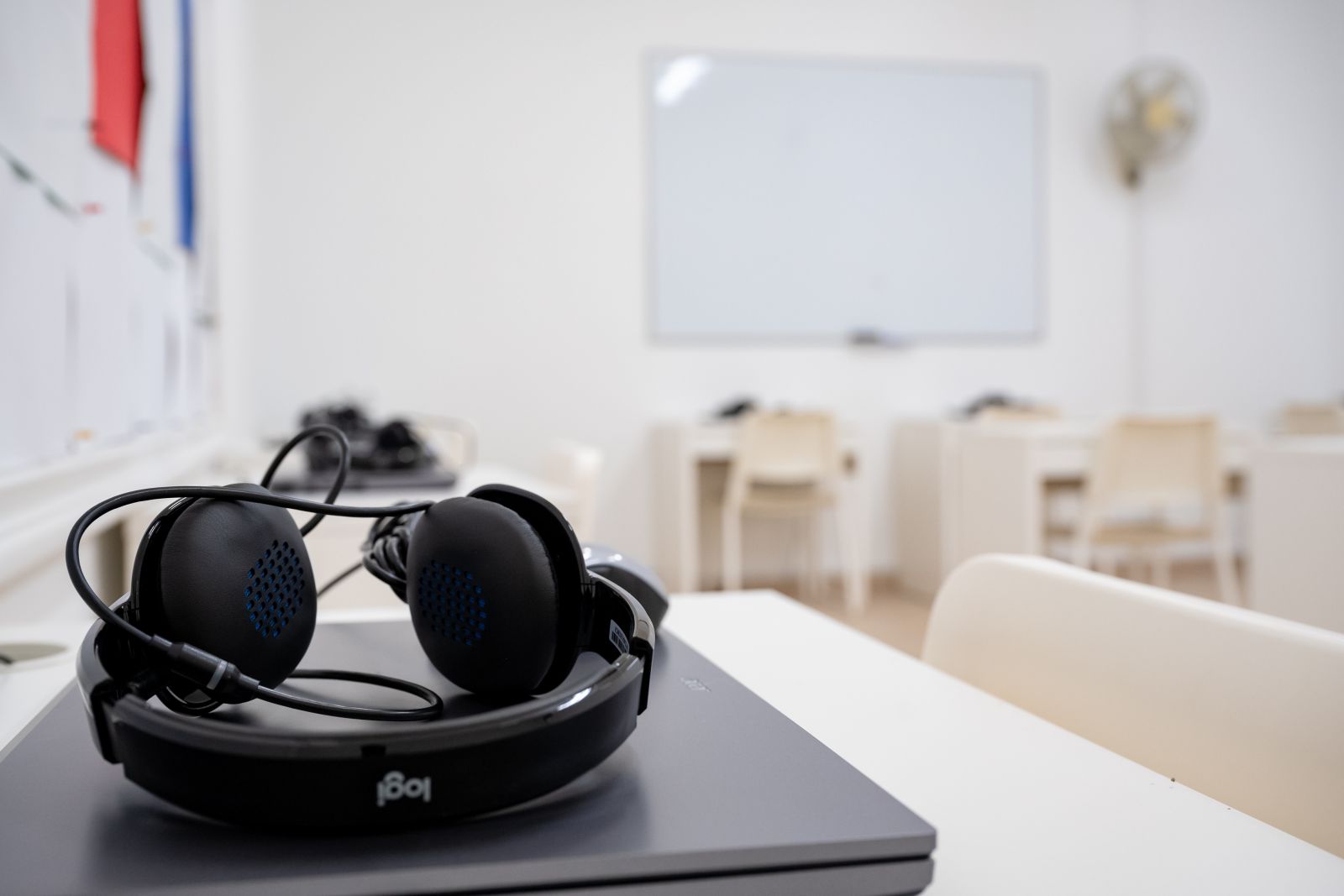
Trabajamos con material oficial proporcionado por Cambridge, complementado con recursos didácticos propios, juegos, vídeos y actividades interactivas adaptadas a la edad y nivel del alumnado.
6. ¿Cómo se evalúa el progreso del alumno?
Realizamos una evaluación continua en clase y pruebas específicas por etapa. Además, comunicamos periódicamente el progreso académico a las familias, con el fin de trabajar en conjunto.

7. ¿Cuál es el calendario del curso y ofrecen clases en verano?
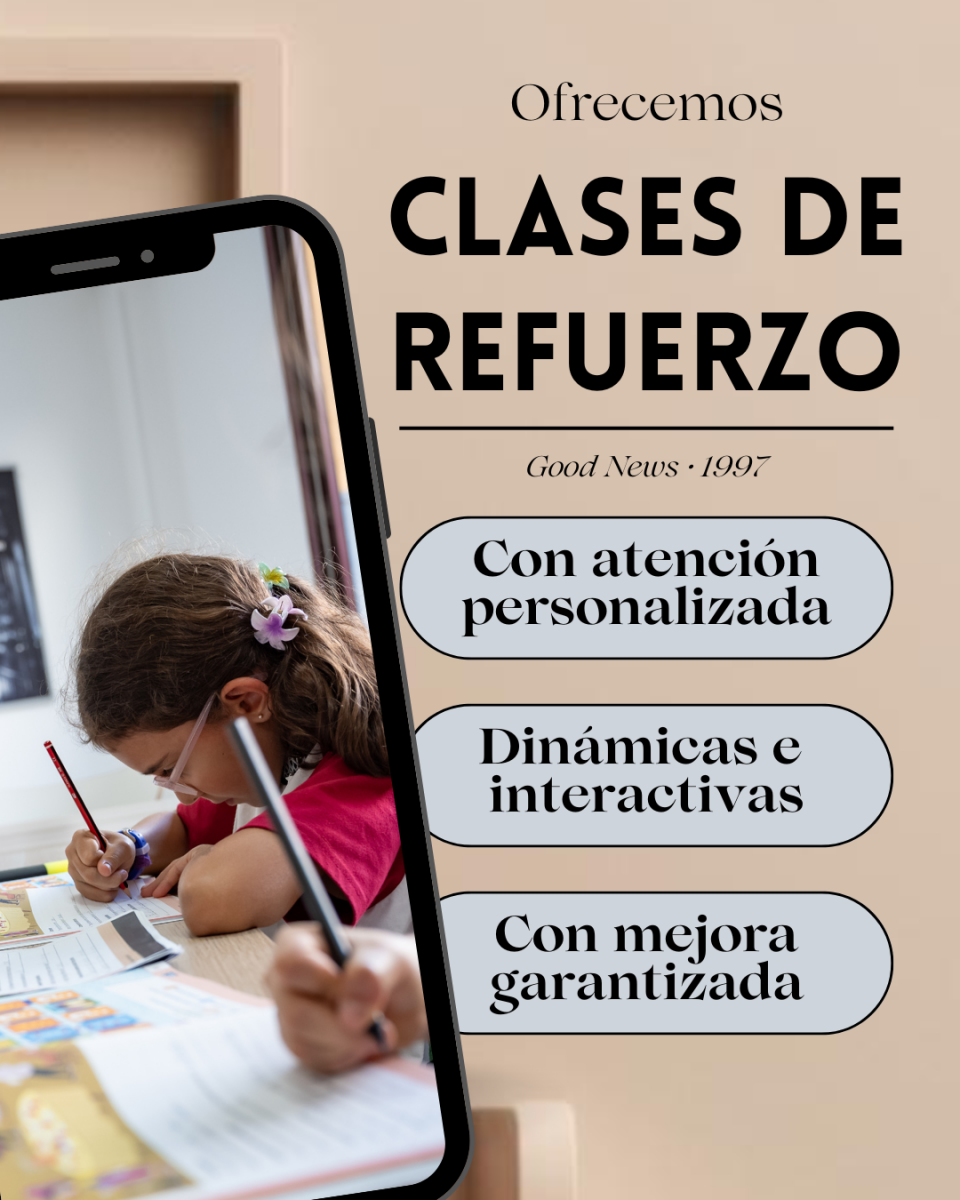
El curso regular se imparte de octubre a junio, siguiendo el calendario escolar. Además, ofrecemos clases de refuerzo y preparación para exámenes durante julio y septiembre, según disponibilidad y demanda.
8. ¿Cómo puedo inscribirme y qué pasos debo seguir?
Puedes inscribirte contactando directamente con el centro por teléfono, WhatsApp o formulario web. También ofrecemos una prueba de nivel gratuita si es necesario para ubicar al alumno correctamente.
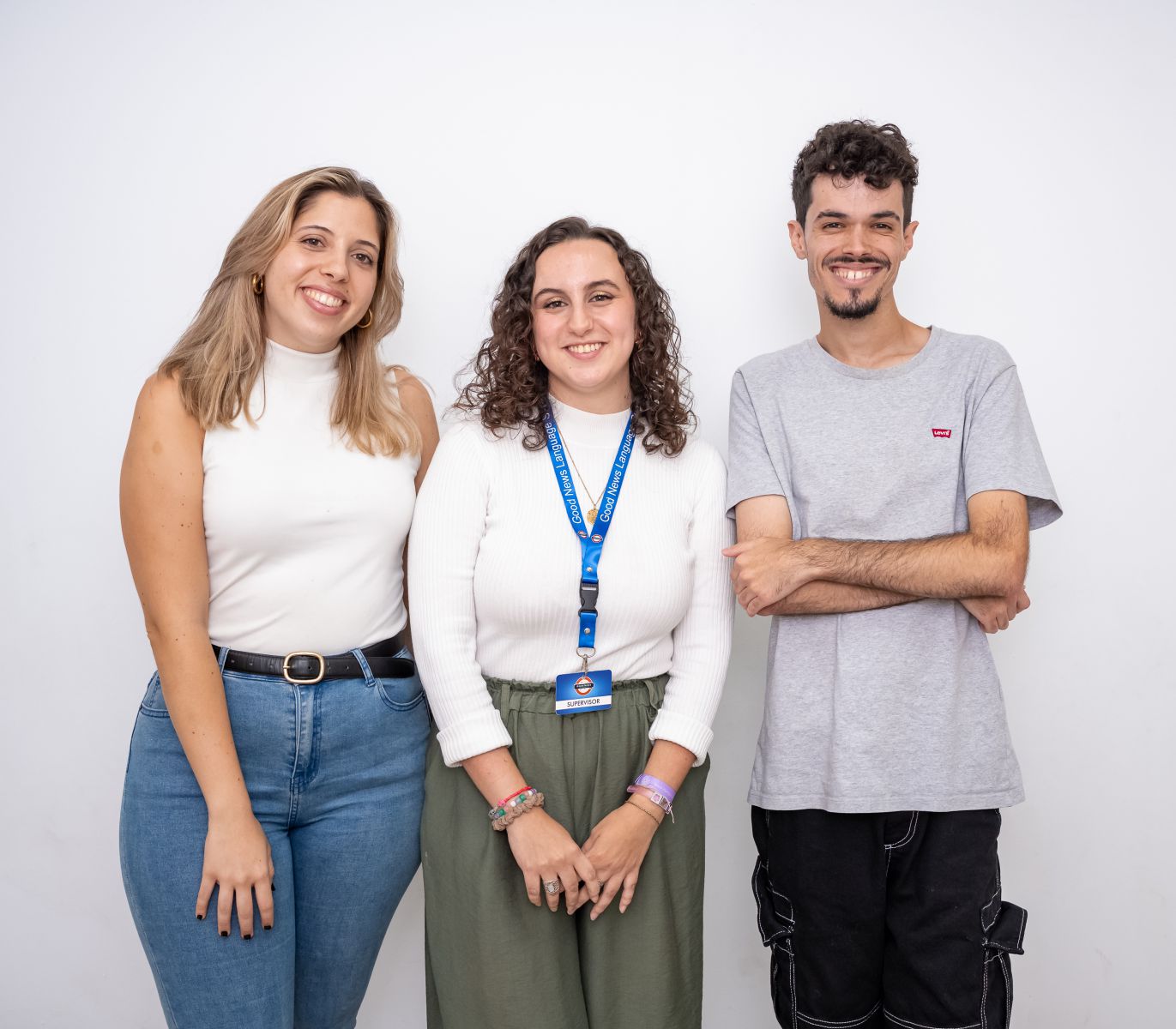
9. ¿Quién forma parte del equipo docente?
Nuestro profesorado está formado por especialistas en la enseñanza del inglés como lengua extranjera, con amplia experiencia en trabajo con niños, jóvenes y adultos. Todos comparten un enfoque pedagógico activo, innovador y centrado en el alumno.
.jpg)

10. ¿Qué ocurre si un alumno falta a una clase?
No ofrecemos clases de recuperación. Sin embargo, el alumno recibirá material complementario y orientación para poder continuar el ritmo del grupo sin quedarse atrás.
11. ¿Cuáles son los beneficios de trabajar en grupos reducidos?
Los grupos de máximo 6 alumnos permiten una participación más activa, mayor exposición oral al idioma, y seguimiento individualizado del progreso y necesidades de cada estudiante.
.jpg)
12. ¿Cómo se gestionan los pagos?
Los pagos se realizan únicamente mediante domiciliación bancaria mensual. No se acepta efectivo ni otras formas de pago.
13. ¿Utilizan alguna plataforma para el trabajo online?
Sí. Nuestras clases online utilizan plataformas seguras y dinámicas, con seguimiento del rendimiento, materiales digitales y comunicación fluida entre docentes, alumnado y familias.
14. ¿Qué servicios extra están previstos en el centro?
Estamos desarrollando nuevas instalaciones para enriquecer la experiencia educativa:
Una sala de juegos y espacio de aprendizaje informal.
Un escenario para representar obras de teatro en inglés, fomentando la expresión oral y la creatividad.
Una sala de cine para la proyección de contenido multimedia en inglés, ideal para trabajar la comprensión auditiva de forma natural y motivadora.
15. ¿Ofrecen servicio de recogida desde colegios cercanos?
Sí. Ofrecemos la posibilidad de recoger a alumnos del Colegio Claret si la clase coincide con la hora de salida escolar. Es una opción especialmente útil para las familias que buscan comodidad y continuidad en la jornada del niño.


 Español
 English