

Las cookies nos permiten ofrecer nuestros servicios. Al utilizar nuestros servicios, aceptas el uso que hacemos de las cookies.



Escrito por Sofia Herari
Pero aquí está la buena noticia: no necesitas hablar inglés para marcar una gran diferencia. Tu ánimo, tu interés y tus acciones cotidianas pueden ayudar mucho a tu hijo a tener éxito. Aquí te mostramos cómo:
1. Crea un Entorno Favorable al Inglés en Casa
Aunque no hables inglés, puedes rodear a tu hijo con él en casa. Por ejemplo:
Pon canciones en inglés – Los niños aprenden pronunciación y vocabulario solo con escuchar. Elige canciones con letras simples y repetitivas.
Activa subtítulos en inglés en los dibujos animados – Escucharán las palabras y verán cómo se escriben.
Coloca etiquetas en inglés – Pega etiquetas con palabras como door (puerta), chair (silla) o fridge (nevera). Así aprenden vocabulario de la vida diaria.
Esto le muestra a tu hijo que el inglés forma parte de la vida, no solo de la clase.
2. Apoya la Lectura – Aunque No Entiendas el Texto
A los niños les encanta que les lean—aunque no entiendas cada palabra. Los libros con imágenes, los cuentos con audioo los lectores sencillos en inglés son herramientas muy útiles.
Escuchen audiolibros juntos – Tú disfrutas la historia y tu hijo escucha un inglés fluido.
Miren libros ilustrados y pregunta qué está pasando en la historia. Deja que tu hijo te lo explique: así aprende enseñándote.
Elogia su esfuerzo – No te preocupes por los errores. El simple hecho de interesarte le demuestra que aprender inglés es importante.
3. Haz Preguntas (en Tu Propio Idioma)
Pregunta a tu hijo qué aprendió en la clase de inglés, qué palabras conoce o qué significa una canción—aunque sea en español. Esto le ayuda a reflexionar y reforzar lo que sabe.
Sentirá orgullo al poder explicártelo y enseñarte.
4. Usa la Tecnología a Tu Favor
Hay muchas páginas web y aplicaciones gratuitas diseñadas para que los niños aprendan inglés. Algunas recomendadas son:
British Council LearnEnglish Kids
PBS Kids Games (aprendizaje en inglés)
No necesitas guiarlos—solo configúralo y anímalos a usarlo con regularidad.
5. Sé su Animador, No su Profesor
No tienes que corregir la gramática de tu hijo ni entender todo lo que diga en inglés. Lo que más necesita es apoyo emocional:
Celebra sus progresos.
Recuérdale que equivocarse está bien.
Muestra orgullo por su esfuerzo, no por la perfección.
Tu actitud hacia el inglés influirá en la suya. Si muestras curiosidad y positividad, tu hijo se sentirá seguro y motivado para seguir aprendiendo.
Puedes ayudar más de lo que piensas
No necesitas hablar inglés con fluidez para ser un gran apoyo en el aprendizaje de tu hijo. Con pequeñas acciones y mucho ánimo, puedes darle las herramientas y la confianza necesarias para tener éxito en inglés—y en la vida.
English version
How Parents Can Help Kids Learn English Without Speaking It Themselves
Many parents feel unsure about how to support their children’s English learning—especially if they don’t speak the language themselves. But here’s the good news: you don’t need to speak English to make a big difference. Your encouragement, your interest, and your everyday actions can all help your child succeed. Here’s how.
1. Create an English-Friendly Environment at Home
Even if you don’t speak English, you can surround your child with it at home. For example:
Play English songs – Children pick up pronunciation and vocabulary just by listening. Choose songs with simple, repetitive lyrics.
Put English subtitles on cartoons – They’ll hear the words and see how they’re written.
Use English labels – Label common objects like “door,” “chair,” or “fridge.” It builds
everyday vocabulary.
This shows your child that English is a part of life, not just something they do in class.
2. Support Reading – Even Without Understanding the Text
Children love being read to—even if you don’t know every word. Picture books, storybooks with audio, or simple English readers can be powerful tools.
Listen to audiobooks together – You’ll enjoy the story, and they’ll hear fluent English.
Look at picture books and ask what’s happening in the story. Let your child explain it
to you—they’re learning and teaching.
Praise their effort – Don’t worry about mistakes. Just being interested shows your
child that learning English matters.
3. Ask Questions (In Your Own Language)
Ask your child about what they learned in English class, what words they know, or what a song means—even in Spanish. This helps them reflect and reinforce their knowledge.
They’ll feel proud to explain and teach you.
4. Use Technology to Your Advantage
There are many free websites and apps designed for children learning English. Some favorites include:
British Council LearnEnglish Kids
PBS Kids Games (English learning)
You don’t need to guide them—you just need to set it up and encourage them to use it regularly.
5. Be Their Cheerleader, Not Their Teacher
You don’t have to correct your child’s grammar or understand everything they say in English. What they need most is emotional support:
Celebrate their progress.
Remind them it’s okay to make mistakes.
Show pride in their effort, not perfection.
Your attitude toward English will shape theirs. If you show curiosity and positivity, they’ll feel confident and motivated to keep going.
You can help more than you may think
You don’t need to be fluent in English to be a powerful supporter of your child’s learning. With a few small actions and a lot of encouragement, you can give your child the tools and confidence to succeed in English—and in life.



Hemos detectado que está usando Internet Explorer en su ordenador para navegar en esta web. Internet Explorer es un antiguo navegador que no es compatible con nuestra página web y Microsoft aconseja dejar de usarlo ya que presenta diversas vulnerabilidades. Para el uso adecuado de esta web tiene que usar alguno de los navegadores seguros y que se siguen actualizando a día de hoy como por ejemplo:
Resuelve tus dudas y conoce todo lo que necesitas sobre nuestros cursos y servicios
ATENCIÓN:
PREGUNTAS MÁS COMUNES EN ESTE MOMENTO
1.NUEVAS MATRÍCULAS ESTARÁN DISPONIBLES ONLINE (EN LA PORTADA DE ESTA WEB) DESDE EL 8 AL 15 DE SEPTIEMBRE
2.LAS CLASES COMIENZAN EL 1 DE OCTUBRE - SI NO HAN RECIBIDO SU CORREO TODAVÍA, ESTÁ EN PROCESO
3. SI QUISIERAN APUNTARSE FUERA DE PLAZO, TENDRÁN QUE HACERLO EN PERSONA EN NUESTRA ACADEMIA RESPETANDO EL HORARIO
PREGUNTAS MÁS GENERALES
1. ¿Qué modalidades de clases ofrecen y cómo se organizan los grupos?
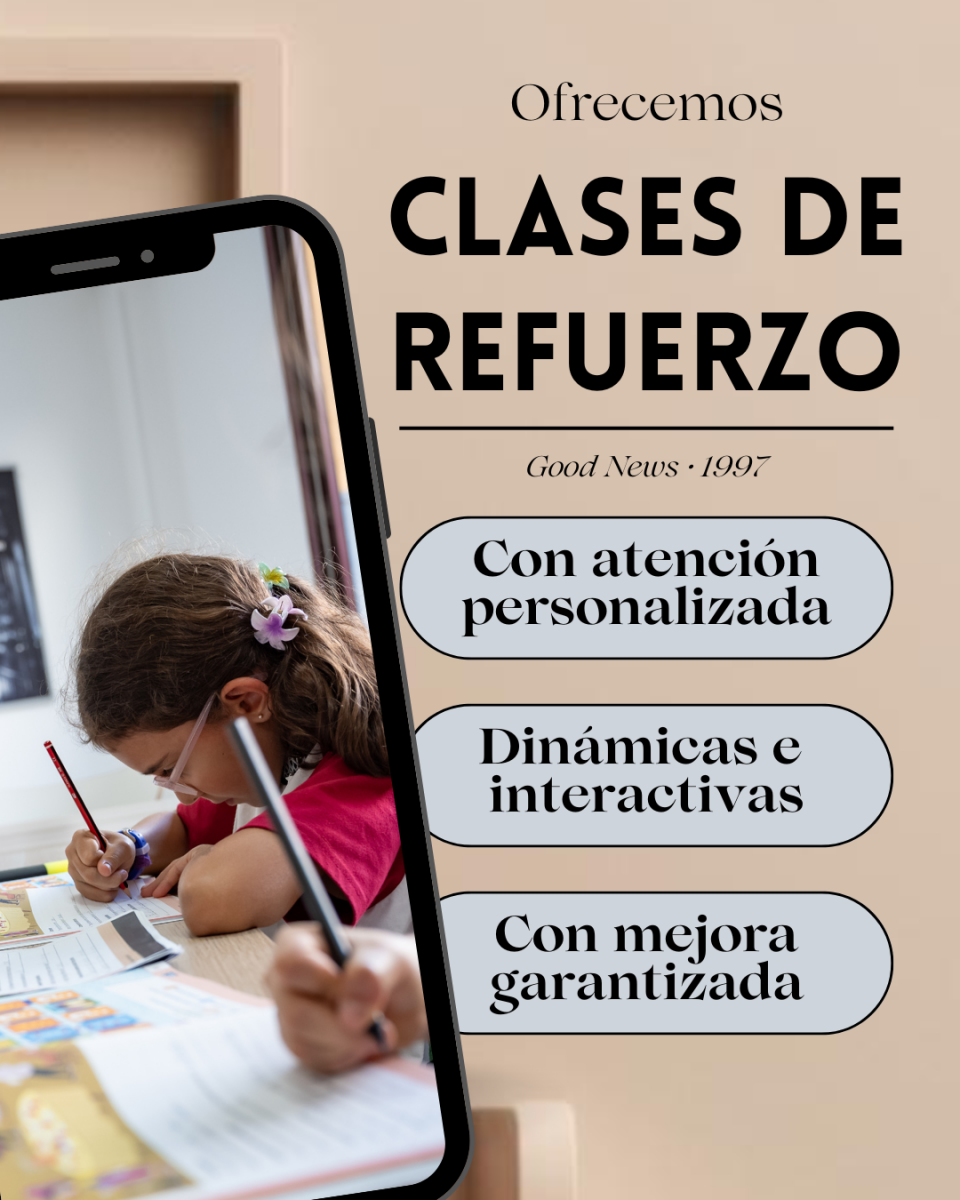
Ofrecemos clases tanto presenciales como online, una vez por semana, en grupos reducidos de máximo 6 alumnos. Esto garantiza atención personalizada y un ambiente de aprendizaje efectivo desde Infantil hasta adultos.
2. ¿Qué niveles cubren y desde qué edad se puede empezar?
Aceptamos estudiantes desde nivel A1 (principiante absoluto) hasta C2, tanto en modalidad presencial como online. En presencial, los grupos comienzan desde Segundo de Infantil.
3. ¿Ofrecen preparación para exámenes oficiales reconocidos?
Sí. Preparamos a nuestros alumnos para certificaciones oficiales aceptadas internacionalmente, como Cambridge y Linguaskill, alineadas al MCER. Contamos con experiencia, materiales específicos y orientación personalizada para cada examen.
4. ¿Se pueden hacer los exámenes oficiales en su centro?
Sí. Good News está acreditado como centro de preparación oficial de Cambridge, y de examinación Linguaskill y Oxford. Realizar los exámenes en nuestro propio centro ofrece grandes ventajas:
Entorno conocido y de confianza para el alumno.
Fechas más accesibles y flexibles.
Acompañamiento directo por parte del equipo docente.
Mayor tranquilidad y reducción del estrés del día del examen.
5. ¿Qué material de estudio se utiliza en clase?
Trabajamos con material oficial proporcionado por Cambridge, complementado con recursos didácticos propios, juegos, vídeos y actividades interactivas adaptadas a la edad y nivel del alumnado.
6. ¿Cómo se evalúa el progreso del alumno?
Realizamos una evaluación continua en clase y pruebas específicas por etapa. Además, comunicamos periódicamente el progreso académico a las familias, con el fin de trabajar en conjunto.

7. ¿Cuál es el calendario del curso y ofrecen clases en verano?
El curso regular se imparte de octubre a junio, siguiendo el calendario escolar. Además, ofrecemos clases de refuerzo y preparación para exámenes durante julio y septiembre, según disponibilidad y demanda.
8. ¿Cómo puedo inscribirme y qué pasos debo seguir?
Puedes inscribirte contactando directamente con el centro por teléfono, WhatsApp o formulario web. También ofrecemos una prueba de nivel gratuita si es necesario para ubicar al alumno correctamente.
9. ¿Quién forma parte del equipo docente?
Nuestro profesorado está formado por especialistas en la enseñanza del inglés como lengua extranjera, con amplia experiencia en trabajo con niños, jóvenes y adultos. Todos comparten un enfoque pedagógico activo, innovador y centrado en el alumno.

.jpg)

10. ¿Qué ocurre si un alumno falta a una clase?
No ofrecemos clases de recuperación. Sin embargo, el alumno recibirá material complementario y orientación para poder continuar el ritmo del grupo sin quedarse atrás.
11. ¿Cuáles son los beneficios de trabajar en grupos reducidos?
Los grupos de máximo 6 alumnos permiten una participación más activa, mayor exposición oral al idioma, y seguimiento individualizado del progreso y necesidades de cada estudiante.
.jpg)
12. ¿Cómo se gestionan los pagos?
Los pagos se realizan únicamente mediante domiciliación bancaria mensual. No se acepta efectivo ni otras formas de pago.
13. ¿Utilizan alguna plataforma para el trabajo online?
Sí. Nuestras clases online utilizan plataformas seguras y dinámicas, con seguimiento del rendimiento, materiales digitales y comunicación fluida entre docentes, alumnado y familias.
14. ¿Qué servicios extra están previstos en el centro?
Estamos desarrollando nuevas instalaciones para enriquecer la experiencia educativa:
Una sala de juegos y espacio de aprendizaje informal.
Un escenario para representar obras de teatro en inglés, fomentando la expresión oral y la creatividad.
Una sala de cine para la proyección de contenido multimedia en inglés, ideal para trabajar la comprensión auditiva de forma natural y motivadora.
15. ¿Ofrecen servicio de recogida desde colegios cercanos?
Sí. Ofrecemos la posibilidad de recoger a alumnos del Colegio Claret si la clase coincide con la hora de salida escolar. Es una opción especialmente útil para las familias que buscan comodidad y continuidad en la jornada del niño.


 Español
 English